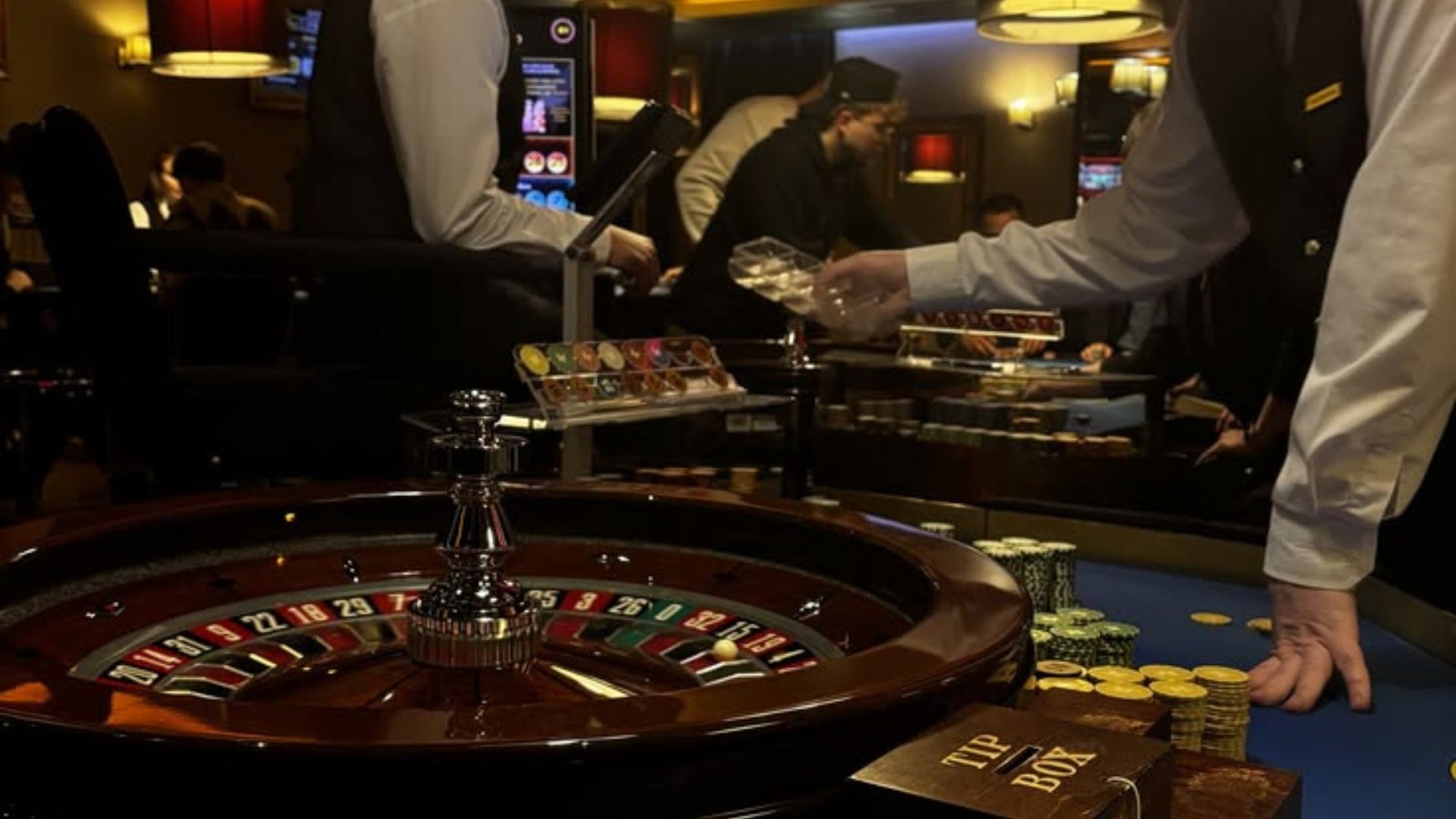
Seven legendary card sharps gathered inside a smoky downtown Las Vegas casino in 1970, unaware they were launching a global sporting phenomenon. Nobody paid a tournament buy-in, and no television cameras captured the action. Yet, understanding the world series of poker starts in that exact room, where high-stakes cash games evolved into the ultimate annual test of card-playing endurance.
Over more than five decades, that intimate invitation-only gathering transformed into a massive summer festival drawing tens of thousands of hopefuls from over a hundred countries. Moreover, players preparing for summer satellites at a trusted mastercard casino can qualify online for mere dollars, a reality that would have stunned the original Texas road gamblers who built the brand.
Benny Binion and the Smoke-Filled Beginnings
In 1970, Horseshoe Casino owner Benny Binion invited seven of America’s finest high-stakes players—including Johnny Moss, Doyle Brunson, Amarillo Slim, and Puggy Pearson—to compete in marathon cash sessions across multiple variants. Rather than playing down to a single tournament winner, the competitors voted by secret ballot to crown Johnny Moss as the inaugural champion. Binion quickly realized that spectators craved a clear, dramatic finish, so he introduced a $5,000 winner-take-all freezeout tournament format in 1971, raising the buy-in to its iconic $10,000 level the following year.
Those early decades forged unforgettable poker folklore:
-
Doyle Brunson captured consecutive Main Event titles in 1976 and 1977, winning both final hands with Ten-Two offsuit.
-
Stu Ungar stunned veteran professionals by winning back-to-back championships in 1980 and 1981 before completing an astonishing comeback victory in 1997.
-
Johnny Chan defended his crown across 1987 and 1988, narrowly missing a three-peat when a young Phil Hellmuth defeated him heads-up in 1989.
Never forget that gold bracelets were not even awarded during the first six years of the series, because winners originally received silver trophies until Binion introduced the iconic wristwear in 1976.
How TV Cameras and Hole-Card Cams Changed Everything
Throughout the 1980s and 1990s, Main Event fields grew steadily from dozens of entrants into the hundreds, yet television broadcasts struggled to capture strategic tension. Viewers simply watched players stare silently across the felt without knowing what cards anyone held. Everything changed when inventor Henry Orenstein patented the hole-card camera, allowing television audiences to see every bluff, slow-roll, and hero call in real time.

The 2003 Moneymaker Explosion and Digital Boom
The defining watershed moment in the world series of poker arrived in May 2003. Tennessee accountant Chris Moneymaker turned an $86 online satellite entry into a $2.5 million Main Event victory, defeating seasoned professional Sammy Farha under bright ESPN studio lights.
Suddenly, millions of everyday viewers realized they did not need a massive bankroll or decades of road-gambling experience to conquer Las Vegas. Attendance skyrocketed overnight from 839 players in 2003 to 2,576 in 2004, before surging past 8,773 entrants in 2006 when Jamie Gold claimed $12 million. Even after regulatory shifts temporarily slowed North American online traffic in 2011, international expansion across Europe and Asia kept prize pools climbing steadily.
| Historical Milestone | Year | Main Event Entries | First-Place Payout | Defining Impact |
| Inaugural Gathering | 1970 | 7 (Cash Vote) | Silver Cup + Cash | Established annual Las Vegas championship |
| First Freezeout Format | 1971 | 6 ($5,000 Buy-in) | $30,000 | Introduced winner-take-all tournament play |
| Moneymaker Effect | 2003 | 839 | $2,500,000 | Sparked the global online poker boom |
| Pre-Black Friday Peak | 2006 | 8,773 | $12,000,000 | Shattered live tournament attendance records |
| Strip Venue Move | 2022 | 8,663 | $10,000,000 | Relocated action to Horseshoe and Paris Las Vegas |
| Modern Record Era | 2024 | 10,112 | $10,000,000 | First Main Event field to surpass 10,000 players |
| Latest Summer Series | 2026 | 9,208 | $10,000,000 | Generated an $85.6 million prize pool across 111 nations |
Modern Era Scale and the 2026 Landscape
Moving the summer festival from the off-Strip Rio Convention Center directly onto the Las Vegas Strip at Horseshoe and Paris Las Vegas revitalized attendance in the 2020s. Fields surged past 10,000 entries for the first time in 2023 and peaked at 10,112 players in 2024.
By the summer of 2026, the festival featured 100 live gold bracelet events alongside 30 online bracelet competitions. In the 2026 Main Event, 9,208 entrants from 111 countries built an enormous $85,634,400 prize pool—the fourth-largest field in tournament history. Ultimately, 22-year-old recent college graduate Lucas Jumalon wired the final table to capture the $10 million top prize and become the youngest champion since Joe Cada in 2009.
Hybrid Qualification and Digital Integration
Modern tournament logistics look vastly different from Binion’s handwritten ledger sheets. Today, players register digitally via mobile apps, track live chip counts instantaneously, and qualify through year-round international circuit stops or online satellite ladders.
Actionable Lessons for Aspiring Bracelet Hunters
Whether you dream of playing the $10,000 Main Event or targeting a $500 summer freezeout, approaching the world series of poker requires smart preparation rather than blind gambling.
Apply these four practical steps before booking your summer trip:
-
Target low-buy-in satellite qualifiers months in advance so you can turn a $50 or $200 investment into a full tournament seat without risking your core bankroll.
-
Build physical and mental stamina prior to arriving in Nevada, because surviving a multi-day deepstack schedule means playing twelve-hour days under intense fluorescent lights.
-
Sell action or swap small percentages with trusted peers when entering higher buy-in events to smooth out brutal tournament variance.
-
Study late-stage Independent Chip Model (ICM) dynamics carefully, since massive pay jumps around the money bubble and final table dramatically alter optimal calling and shoving ranges.
From seven gamblers voting in a downtown casino to a $85 million summer spectacle, the world series of poker remains the ultimate proving ground in card gaming. Respect the grueling marathon pace, manage your tournament bankroll wisely, and step up to the felt prepared for every level.